Case study 04 / 19
Enterprise RAG Knowledge Assistant
On-premise LLM assistant redesigned into a retrieval pipeline with document chunking, embeddings, vector retrieval, contextual prompts, and output handling.
- Stack
- Qwen · LLM · RAG · Embeddings · Vector Search · Backend Inference · Enterprise UI
The problem
Internal operational knowledge was spread across documents, systems, and teams. A generic assistant could answer questions, but without retrieval grounding it risked incomplete context, inconsistent answers, and hallucination in an enterprise environment where reliability matters.
What I built
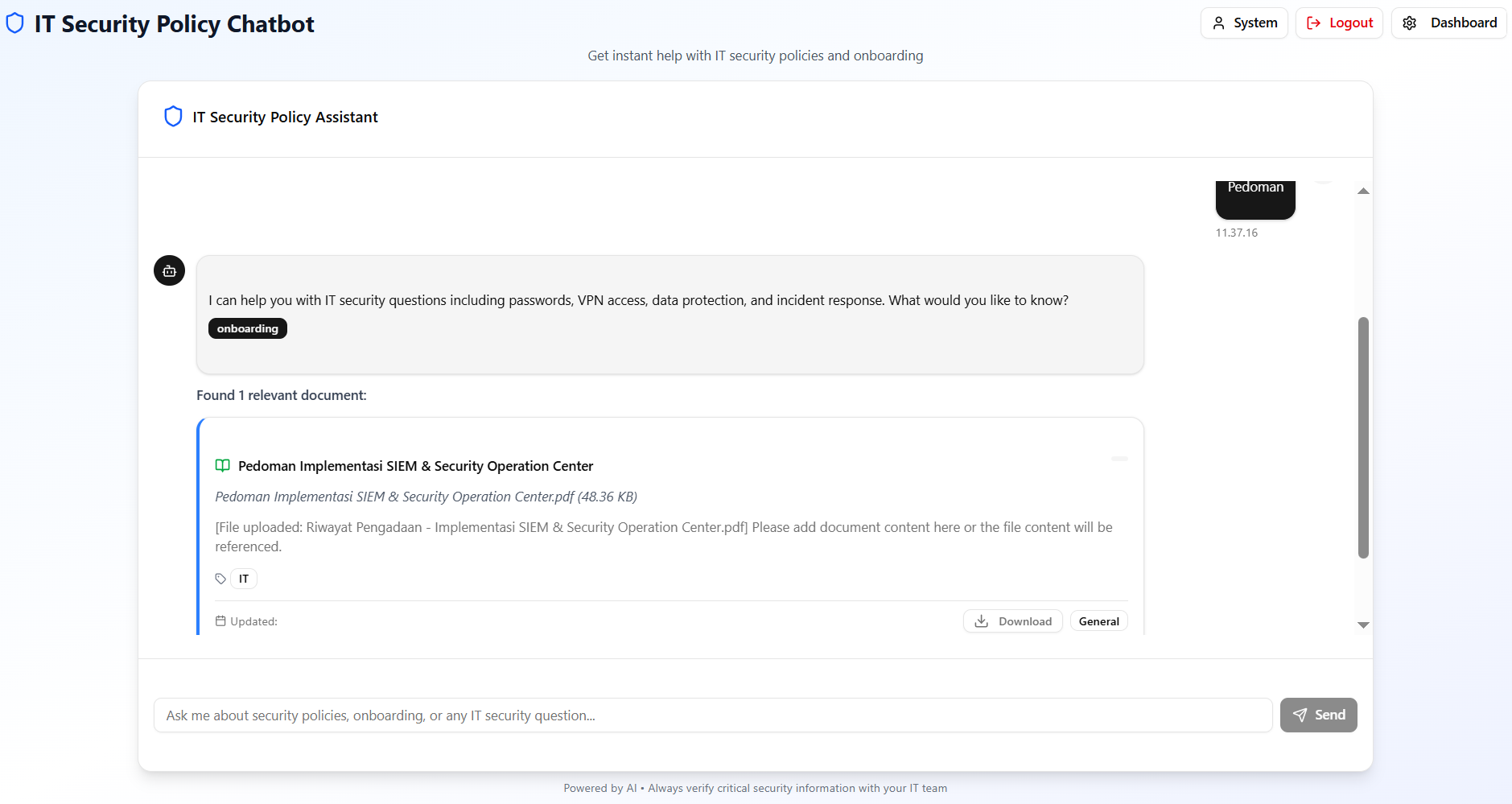
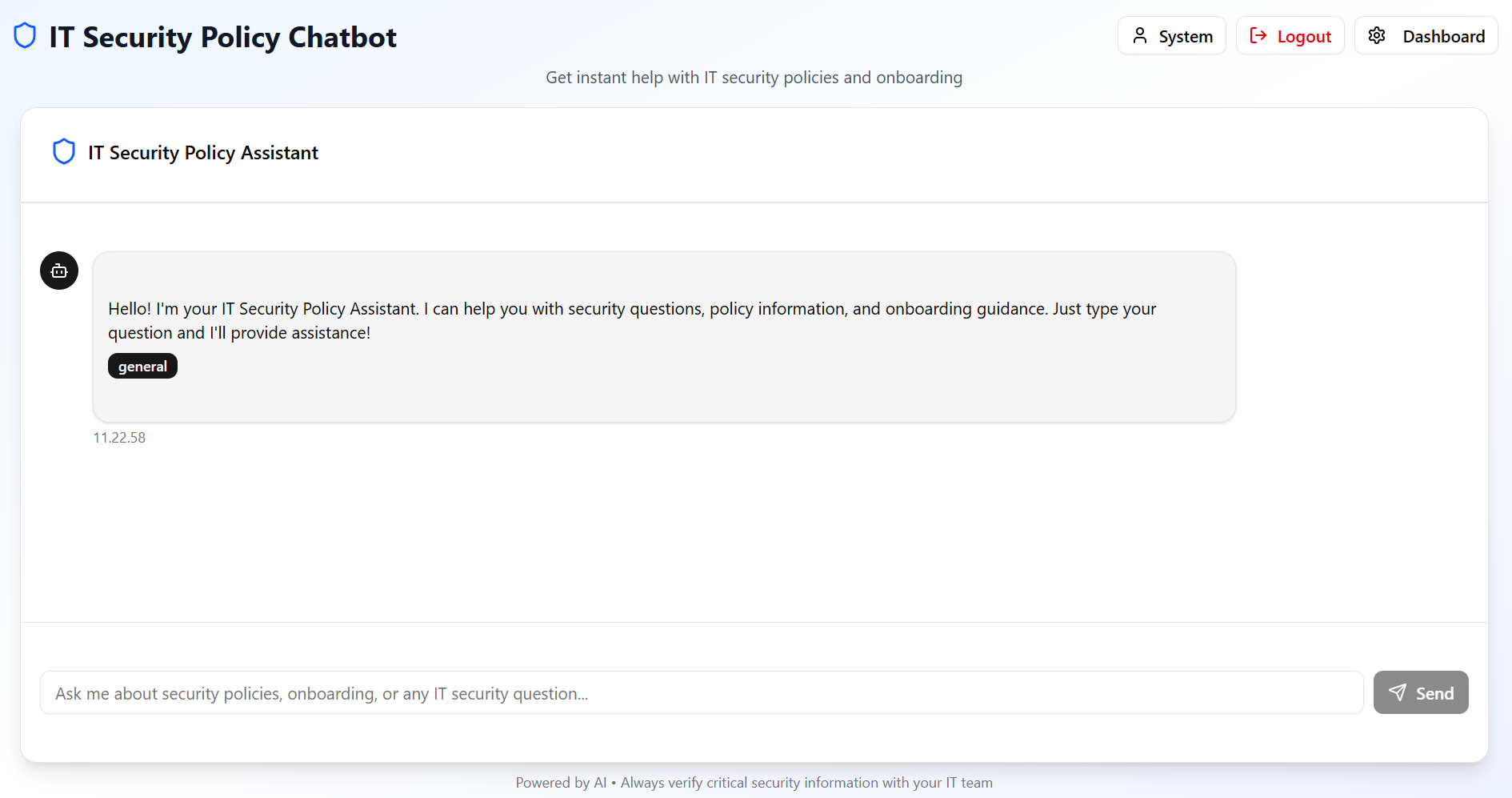
Architected an on-premise Qwen-powered internal knowledge assistant and redesigned it into a RAG pipeline. The system uses document chunking, embedding generation, vector retrieval, contextual prompt orchestration, backend inference services, and enterprise UI integration.
In use
Architecture
Documents and SOPs are chunked and embedded into a vector index ahead of time. At question time the backend retrieves the most relevant passages, assembles a grounded prompt for the on-premise Qwen model, and checks the answer before it reaches the enterprise UI. Nothing leaves the company network.
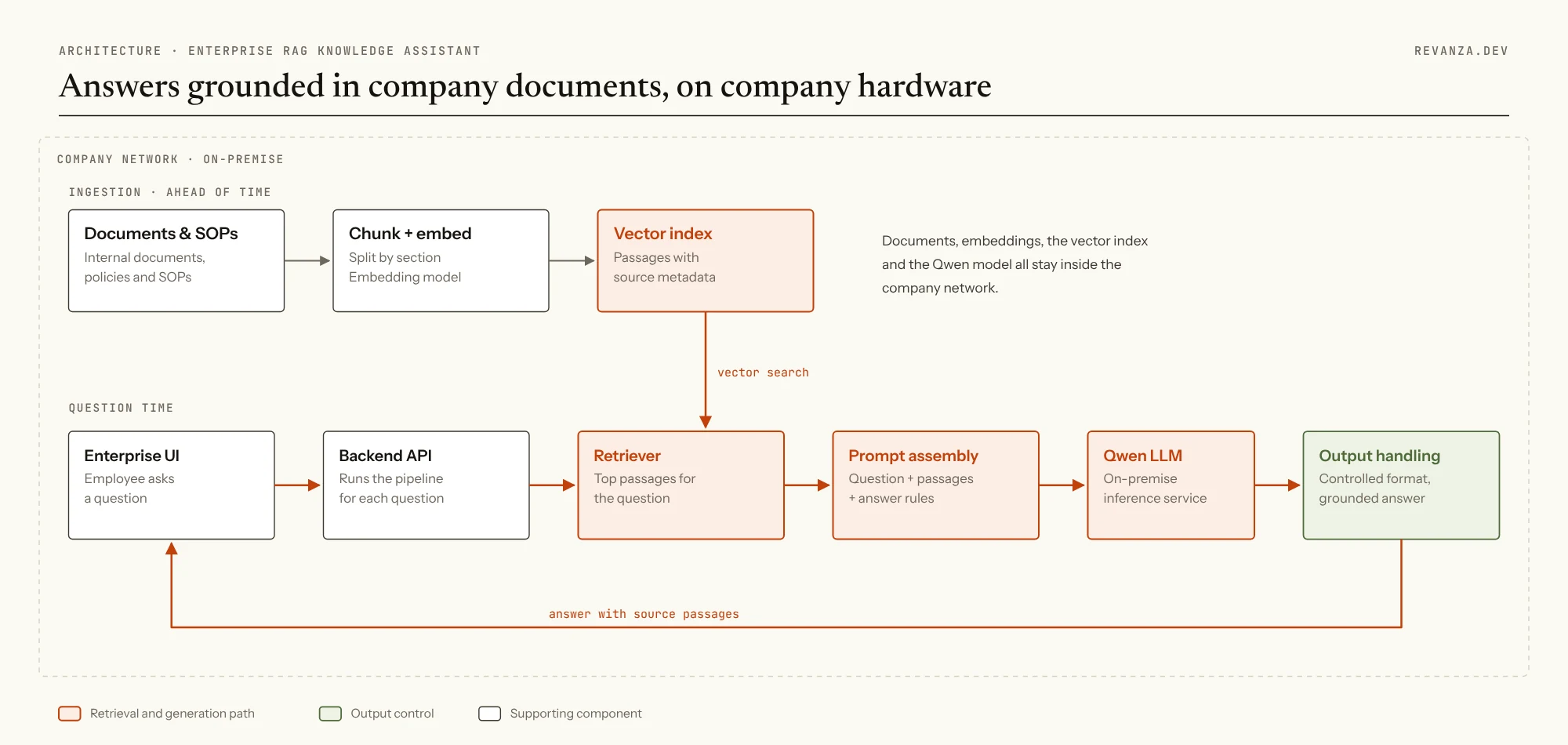
Open the image for full size
Proof
- 01 Designed the assistant for an on-premise enterprise environment rather than a public-only API workflow.
- 02 Moved from simple prompting toward retrieval-grounded answers using chunking, embeddings, vector retrieval, and context assembly.
- 03 Used Qwen with controlled response/output handling to reduce hallucination risk and make answers easier to integrate into internal workflows.
Result
Improved the architecture of an internal AI assistant from general chat behavior into a more reliable enterprise knowledge workflow with retrieval grounding and clearer backend integration boundaries.